不能说的秘密
经营的本质是什么?_我的网站

A |
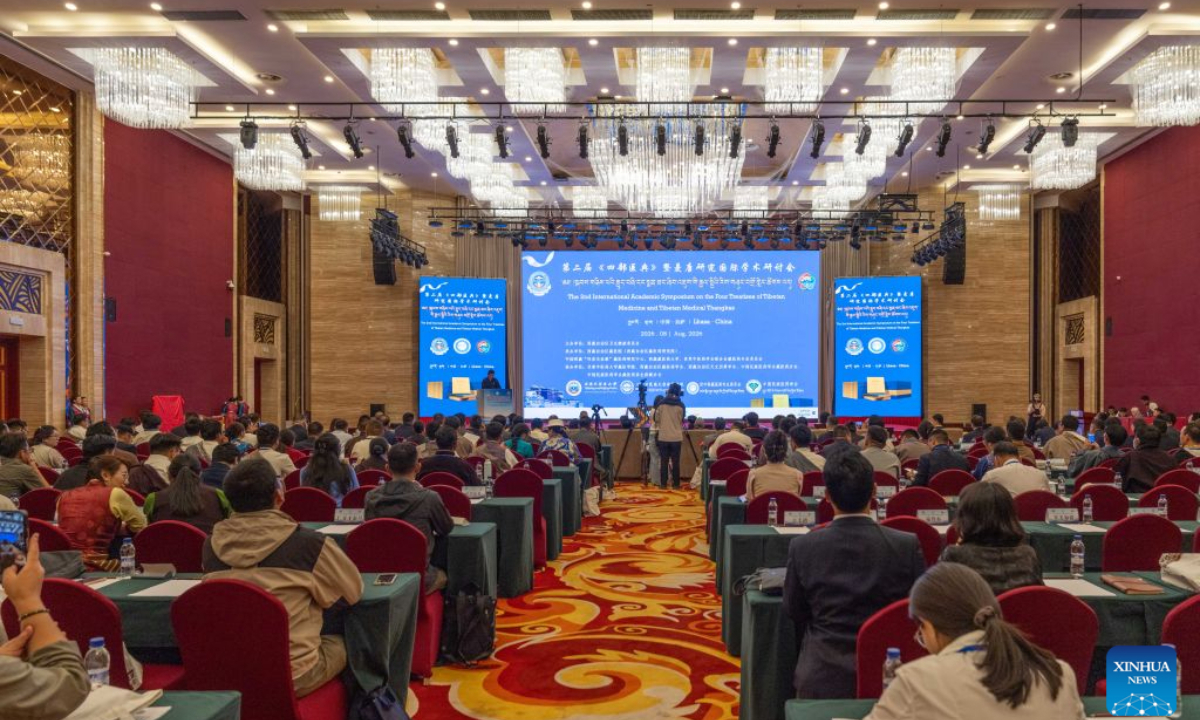
The second international academic symposium on "The Four Treatises of Tibetan Medicine" and Tibetan medical thangkas is held in Lhasa, southwest China's Xizang Autonomous Region, Aug. 20, 2026. An international symposium opened in southwest China's Xizang Autonomous Region on Thursday to shed light on the growing global interest in traditional Tibetan medicine and its visual illustrations drawn on thangkas. Held in the regional capital Lhasa, the second international academic symposium on "The Four Treatises of Tibetan Medicine" and Tibetan medical thangkas brought together more than 200 experts from China, Britain, Germany, Austria, Mongolia and Nepal. Discussions centered on the historical evolution of the classic treatises, the iconographic interpretation of Tibetan medical thangkas, and pathways for modern clinical application and international cooperation. Written between the 8th and 12th centuries, "The Four Treatises of Tibetan Medicine" is the most influential foundational work on traditional Tibetan medicine. It was inscribed on the UNESCO Memory of the World Register in 2023. Based on the work, the 80-scroll Tibetan medical thangkas serve as a visual teaching complement, covering diagnostics, pharmacology, preventive care and medical ethics. The medical thangkas were added to China's national documentary heritage list also in 2023. (Xinhua/Tenzing Nima Qadhup)An international symposium opened in southwest China's Xizang Autonomous Region on Thursday to shed light on the growing global interest in traditional Tibetan medicine and its visual illustrations drawn on thangkas.
Held in the regional capital Lhasa, the second international academic symposium on "The Four Treatises of Tibetan Medicine" and Tibetan medical thangkas brought together more than 200 experts from China, Britain, Germany, Austria, Mongolia and Nepal.
Discussions centered on the historical evolution of the classic treatises, the iconographic interpretation of Tibetan medical thangkas, and pathways for modern clinical application and international cooperation.
At the symposium, a research center for Tibetan medical thangkas was inaugurated.
Written between the 8th and 12th centuries, "The Four Treatises of Tibetan Medicine" is the most influential foundational work on traditional Tibetan medicine. It was inscribed on the UNESCO Memory of the World Register in 2023.
Based on the work, the 80-scroll Tibetan medical thangkas serve as a visual teaching complement, covering diagnostics, pharmacology, preventive care and medical ethics. The medical thangkas were added to China's national documentary heritage list also in 2023.
Among the participants was Katharina Anna Sabernig, a lecturer from the Medical University of Vienna, Austria, who first encountered Tibetan medical murals at Labrang Monastery in Gansu Province in 1994. She later returned and began delving deeper into the works.
"I saw these murals and I started to get deeper and deeper and to understand all this," Sabernig recalled.
Mary Caroline Wyatt, a scholar with dual British-Greek citizenship, began collaborating on an English translation of texts about Tibetan medical thangkas last September. She noted that complete English versions have long been scarce.
"Our translations target professional readers so that we preserve many specialized, traditional terms," said Wyatt.
The event was hosted by the regional health commission and co-organized by the regional Tibetan medicine hospital and Xizang University of Tibetan Medicine.
Xizang has formulated and implemented a series of policies on promoting Tibetan medicine and encouraging innovation. According to a government white paper released last year, the region has 51 public Tibetan medicine institutions, employing 5,287 professionals and operating 3,260 beds, up from 28 institutions, 2,232 professionals and 1,364 beds in 2012.
In April, China rolled out its first national recommended standard for ethnic-medicine disease classification and codes for Tibetan medicine.
Tsering, president of the regional Tibetan medicine hospital, said inscriptions on the UNESCO Memory of the World Register and China's national documentary heritage list have brought Tibetan medicine to a broader global audience.
"We will make the most of these opportunities to promote academic exchanges and clinical collaboration worldwide," Tsering said.
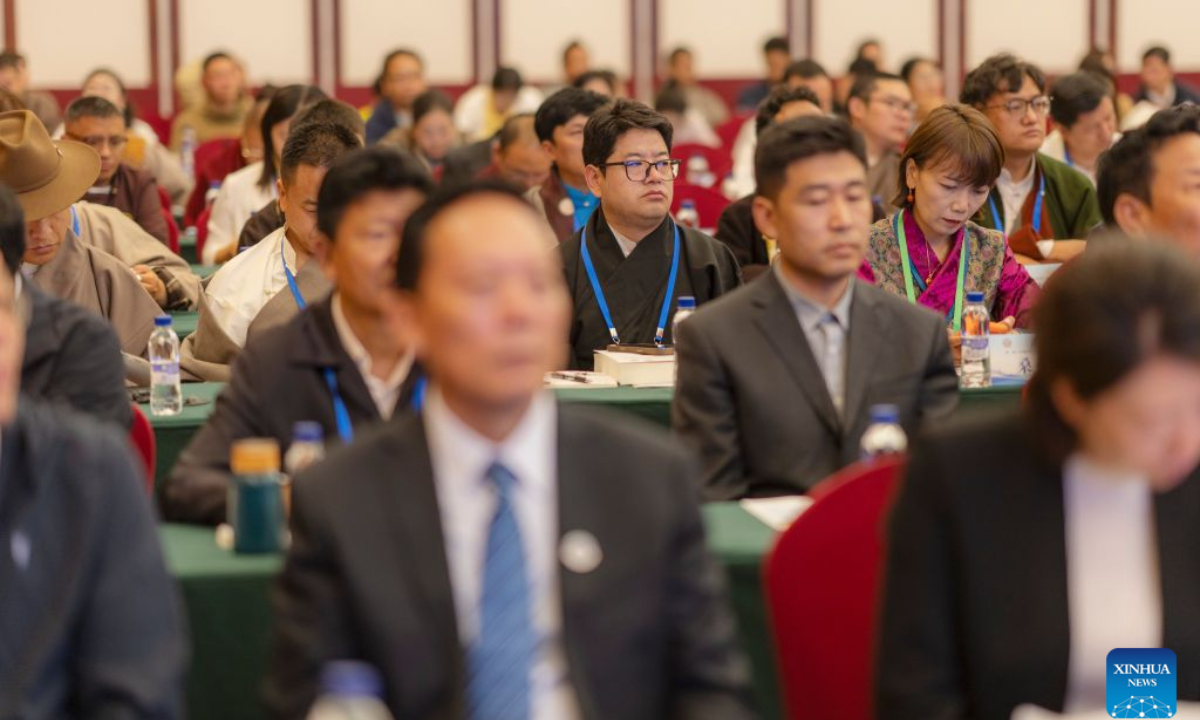
This photo taken on Aug. 20, 2026 shows a scene of the second international academic symposium on "The Four Treatises of Tibetan Medicine" and Tibetan medical thangkas in Lhasa, southwest China's Xizang Autonomous Region. (Xinhua/Liu Zhoupeng)
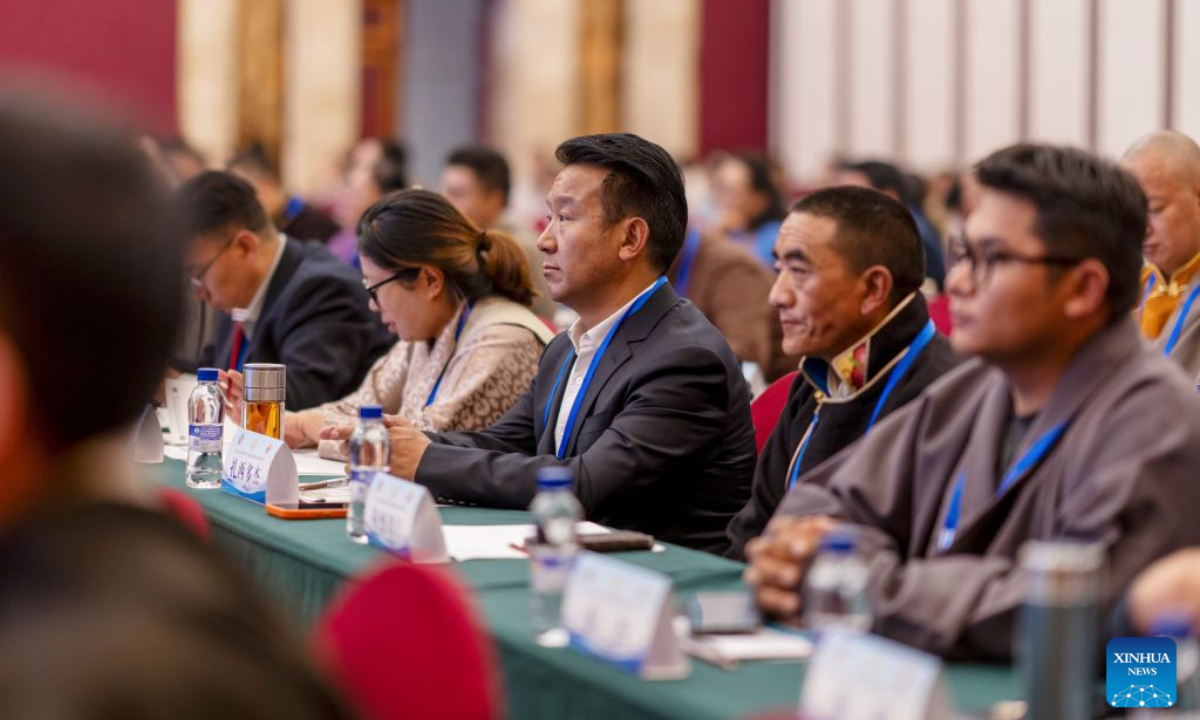
This photo taken on Aug. 20, 2026 shows a scene of the second international academic symposium on "The Four Treatises of Tibetan Medicine" and Tibetan medical thangkas in Lhasa, southwest China's Xizang Autonomous Region. (Xinhua/Tenzing Nima Qadhup)
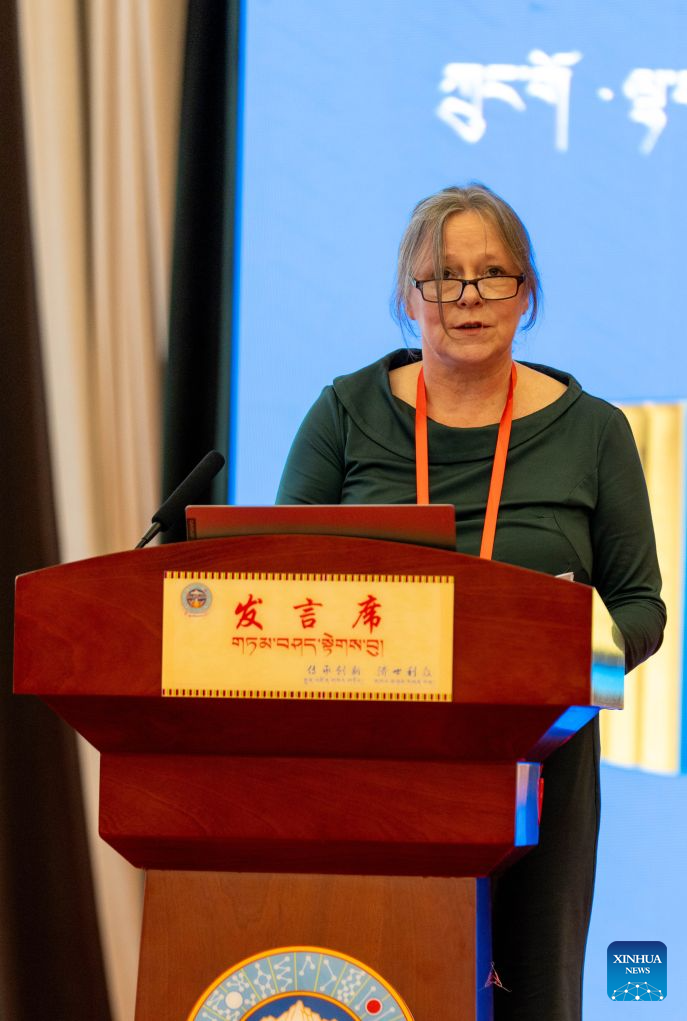
Katharina Anna Sabernig from the Medical University of Vienna, Austria, delivers a speech at the second international academic symposium on "The Four Treatises of Tibetan Medicine" and Tibetan medical thangkas in Lhasa, southwest China's Xizang Autonomous Region, Aug. 20, 2026. (Xinhua/Tenzing Nima Qadhup)
。 周期和组织,是研究公司的两大标准。
周期是外部性的,也被理解为所谓的大环境,用古话来说就是“时也势也”,时势既可以造英雄,也能摧枯拉朽,因此,穿越周期几乎是所有公司的必修课,也越来越频繁的被财经媒体拿去用作选题。
组织是内部性的,也是影响公司在周期面前究竟是被卷走还是踏浪而行的关键变量,就像一条看不见的龙骨,在风平浪静时容易被忽视,一旦浪头高过船舷,龙骨是否结实就立刻决定船体会不会从中折断。

B |
如果把周期和组织分别设为横纵两条轴线,然后可以得到一张经典的“四象限图表”,在每一个象限里,都能填进去一些代表性的公司,整体来看,就是一幅震荡时代的商业百景图。
这也是很有意思的思维实验,虽然是在从后视镜里观测,但是就像德鲁克说的,过去做了什么,决定了让未来会如何发生,不了解过去,就无从定义未来。
一
以这十年的大消费市场为尺度,我们可以梳理出这么四个象限的代表公司:周期上行 + 组织进化 = 蜜雪冰城、泡泡玛特。
这个象限的特点,是积聚了行业红利期、战略准确度和高效执行力,俗称“天时地利人和”,打的就是顺风局。

C |
因为适合总结复盘,位于此处的公司通常也是媒体宠幸的焦点,不过,在“做什么都对”的表象背后,真正重要的依然是“做了什么才对”。

D |
蜜雪冰城的成功之处,很多时候被理解为满足了消费下沉市场的低价,结论固然没错,但凭什么能做到这么便宜,以及如何解释便宜和利润率之间的背离曲线,都是很值得推敲的地方。

E |
众所周知,蜜雪冰城的商业模式,是卖原材料而非赚加盟费,在所有连锁品牌里,蜜雪冰城的开店成本是最低的,同时还实现了核心原料100%自产自销的供应链。
低价本身不难,难的是在没有价格补贴策略的情况下,还能常态化的提供低价,基于今年上半年的业绩披露,蜜雪冰城的毛利率和净利率在新茶饮行业均是坐二望一的位置,仅次于高溢价的霸王茶姬。

F |
这就是组织的力量,前端都是在卖饮品,但因为在后端重新发明了一遍商业模式,蜜雪冰城就能在经营效率上碾压同行,收入相当于同赛道2-4名的总和,因为赚钱模型完全不同。
泡泡玛特有点像蜜雪冰城的反面,押中了“K型分化”偏上的那根线条,而且是用出海而非下沉去做扩张,由此形成全球化的组织力,用公司去适应市场。
比如泡泡玛特的创始人王宁说这家公司是典型的“想做A,但做成了B,后来在C上成功,有可能在D上变得伟大”,这其实也是对情绪化市场的精妙理解,所以泡泡玛特可以在某个时期淡出视野,但只要它回来,就一定带着拉布布这样的王炸。
“零售娱乐化”的本质就是,娱乐是有潮汐效应的,强如迪士尼也不可能部部电影都是爆款,所以公司的组织更新,就是要确定能够始终留在牌桌上,并保留抽中好牌的机会。
二
周期下行 + 组织进化 = 瓶子星球、美的。
这个象限的特点,是对“强者从不抱怨环境”的绝佳诠释,或者用一句老话来说——自救者天救,自弃者天弃。
瓶子星球这家公司,可能听起来还会有一些陌生感,但提起它旗下的一个品牌,几乎可以说是人尽皆知,江小白。
江小白曾经亲手推翻了“年轻人不喝白酒了”的定论,成为一个现象级的新兴白酒品牌,然而这个新酒饮开创者生不逢时,依然迎来了白酒以及整个传统酒业大盘都在萎缩的趋势,这才有了瓶子星球第二曲线重新出发的开始。
在意识到公司战略与组织协同率低下这个根本矛盾——年轻、悦己、低度化和白酒场景的冲突——瓶子星球在2019年锚定了“新酒饮”战略,不断在果酒、烧酒以及混饮品类推出新品,将公司重新拉回了规模化增长的向上轨道。
在以梅见和果立方为代表的新酒饮业务成为“第二曲线”之后,瓶子星球的战略纠结才告一段落,这场革新并非从一开始就全无顾虑,事实上,正是考虑到内外部的阻碍之大,瓶子星球从2022年开始学习丹纳赫DBS模式,这套运营改善体系被作为第二次创业的核心运营平台,在内部叫JOS工程。
外界不一定注意到,这家以叛逆形象登场的公司其实也十多年了,各种规矩、传统、惯性,都堆积成了这辆泥头车前的绿化带。

G | 因此jos工程不是一次简单的内部调整,而是一场贯穿产品、战略、组织、运营、人才与文化的系统性再造。
最终,增速渐高的业绩,证明了“治本”的价值,曾经陷入增长困境的瓶子星球破茧重生,截至2025年9月,已经连续增长了21个月。而回顾这场5年的静默革命,做的事情其实很简单,就是通过企业的运营流程改善,形成一整套做事的方法,让战略和组织执行要一致,简单讲,就是让一群人知行合一。
“知行合一”之所以不多见,是因为世事从来都“知易行难”。

H |
美的也是丹纳赫DBS模式的中国学徒之一,但这家公司原本拿得差点是娃哈哈的剧本,但创始人很早就将董事长的位置交给了经过检验的职业经理人方洪波,安排儿子只继承股权。
十年来,美的公司的市值涨了5倍,从不足千亿暴增到5000亿以上,被业内视为“去家族化”最干净的案例之一,同时因为信奉组织大于个人的理念,一步步地将美的改造为科技生态公司,摆脱了家电生产商的单一角色。

I |
相比之下,格力在十年前还和美的在同一身位,时至今日市值已经不足美的一半,营收更是只有美的的40%,也依然只是一家卖空调的公司,兴衰皆系于董明珠一人。

J |
三
周期上行 + 组织退化 = 娃哈哈、李宁。
这个象限的特点,属于“给你机会你不中用”,在天胡开局里的一手好牌打废了。
娃哈哈的接班闹剧已经比短剧还要夸张了,要知道,瓶装水是一个能产出首富的低调行业,背靠庞大的经销商体系,有时候不做什么就是最大的作为,但这一切依然被“大女主”人设上头的继承者弄砸了。

K |
虽说这本质上是个人凌驾于组织的例子,但事实是,足够优秀的组织是能兜住二代们的肆意妄为的,比如李锦记在138年来先后经历了3次分家危机,但每次都能靠外法和内制解决内斗的扩散化。

L |
娃哈哈的问题在于,以“老厂长”为运转中心的组织,在失去了“老厂长”之后,无法像一家现代企业那样,制度化的移交管理权,旧时的代码能跑起来,不意味着新的设备也能安装,娃哈哈浪费了太多的时间,没有做出对于现在出现的最坏结果的准备。
只能说欲戴王冠,必承其重。

M |
李宁则常被用来和安踏对比,后者通过多品牌矩阵和DTC转型,成功抓住了新一轮户外消费周期的上升窗口,而李宁的市值已经较2021年的高点缩水了80%以上,也是本土四大运动品牌里下滑最快的一家。
自从2010年开启品牌重塑战略以来,李宁做的几乎所有判断,最后都被证明为不对劲,从死绑90后的重塑年轻化方案,到全面转向400元以上区间的定价,以及坚持单品牌走到死的僵化路线,都显示出组织失灵的迹象。
从创始者李宁本人的频繁复出也能看出,用人的勤奋去克服系统的懒惰,乐观地说,是任重道远,不那么客气地说,是事倍功半。

N |
四
周期下行 + 组织退化 = 康师傅、三只松鼠。
这个象限的特点,是“屋漏偏逢连夜雨”,对外长期承压,对内管理失焦,属于debuff拉满了,看起来像在摆烂,实际上是越努力越惨痛。
康师傅面对的周期其实是“非己之过”,繁荣的外卖市场直接平替掉了方便面需求,外卖产值每增长1%,方便面商品的销量就会下降0.05%,最近几年更是以年均10亿份的减少量断崖滑落。
与此同时,高铁的普及也削弱了方便面在长途出行中的刚需场景,进一步压缩其食用率。
但康师傅的三板斧——“用涨价换利润、用老产品守市场、用收缩保成本”——还是暴露了公司打不来逆风局的缺陷,在底线城市被今麦郎、白象等品牌反超。

o |
如果说康师傅败在守旧,那么作为“淘品牌”出身的三只松鼠,就是眼睁睁地看着自己从新变旧,来不急适应互联网流量见顶的新周期,被遍布大街小巷的休闲零食以古典的开店方式“围剿”。
贩卖消费者需要吃进肚子里的商品,十年未变的代工轻资产模式,成了困扰三只松鼠的魔咒,不但品控风险过高——2022年喜提315后,直接被打掉了25亿营收——即使到了修复阶段也难免“增收不增利”,将中国零食第一股让位给了盐津铺子。
不过话说回来,正是因为逆周期这件事情如此之难,才会显得上面的对照组尤为稀缺。
最后,拆解这四个象限,实际上只为把包装剖开,就会发现周期只是试金石,真正决定公司成色的,是组织在高压下的“晶体结构”是被压得更致密,还是被一下击碎。

p |
毕竟,周期永远在那里,就像四季轮替。
而组织,才是决定一家公司能否活到下一个春天的答案。
本文来自微信公众号:阑夕,作者:阑夕。
Current article:http://z3bvn.panningbuquanchencaibingzhang.cyou/yurdms/20260826/2608061.html
Published on:19:18:06
